

Personal finance is the key to financial well-being. It’s about understanding where your money is going, budgeting, saving, and planning for the future. By mastering personal finance, you can reduce stress, achieve your financial goals, and have more control over your life.
In this article, we will explore practical strategies for managing your personal finances, as well as a simple budget table to help you get started.
Steps to Improve Your Personal Finances
- Create a Budget The first step in managing your money is to create a budget. This will allow you to track your income and expenses, helping you understand where your money is going and where you can cut back. A simple budget includes categories like housing, utilities, groceries, transportation, and entertainment.
- Save for Emergencies Having an emergency fund is crucial. Set aside at least three to six months of living expenses in a savings account. This can help cover unexpected costs like medical bills, car repairs, or job loss.
- Pay Off Debt High-interest debt, such as credit card balances, can quickly spiral out of control. Prioritize paying off your debt, starting with the highest interest rates. Consider using the debt snowball method, where you pay off the smallest balances first, gaining momentum as you go.
- Invest for the Future After you’ve managed your debt and saved for emergencies, it’s time to think about the future. Start investing for retirement or other long-term goals. Contribute to an IRA or 401(k) plan, and consider diversifying your investments to minimize risk.
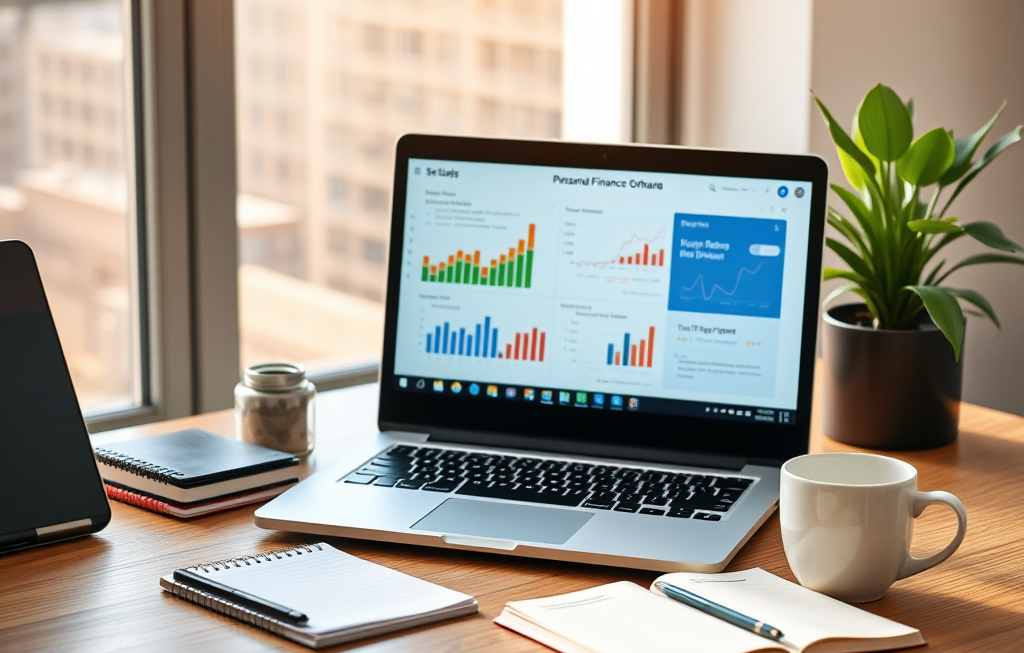
- Track Your Progress Regularly reviewing your finances helps you stay on track. Use financial tools and apps to monitor your income, expenses, and savings goals.
Sample Personal Budget Table
Here’s an example of a simple budget table to help you plan your personal finances:
| Category | Estimated Amount | Actual Amount | Difference |
|---|---|---|---|
| Income | $3,500 | $3,500 | $0 |
| Housing (Rent/Mortgage) | $1,000 | $1,000 | $0 |
| Utilities | $200 | $180 | +$20 |
| Groceries | $300 | $280 | +$20 |
| Transportation | $150 | $120 | +$30 |
| Insurance | $250 | $250 | $0 |
| Entertainment | $100 | $120 | -$20 |
| Savings | $300 | $300 | $0 |
| Debt Payments | $500 | $500 | $0 |
| Miscellaneous | $150 | $180 | -$30 |
- Income: The total amount of money you earn.
- Estimated Amount: Your expected or budgeted spending.
- Actual Amount: The actual amount you spent.
- Difference: The difference between your expected and actual spending.
Conclusion
Effective personal finance management is about making informed choices and being disciplined with your money. By following these steps and using tools like a budget table, you can build a solid foundation for a secure financial future.



Yo, tried some spins on sg77slot. Got a couple small wins, nothing crazy. Site’s easy to navigate though, which is a plus. Check them out: sg77slot
Thank you for your sharing. I am worried that I lack creative ideas. It is your article that makes me full of hope. Thank you. But, I have a question, can you help me?
Your point of view caught my eye and was very interesting. Thanks. I have a question for you.
Thank you for your sharing. I am worried that I lack creative ideas. It is your article that makes me full of hope. Thank you. But, I have a question, can you help me? https://accounts.binance.info/register-person?ref=IXBIAFVY